Optimizing Manufacturing: The Synergy of Lean Thinking and Simulation in Production Efficiency
Discover how combining lean thinking with FlexSim simulation unlocks new levels of manufacturing efficiency, driving continuous improvement, waste reduction, and innovation.
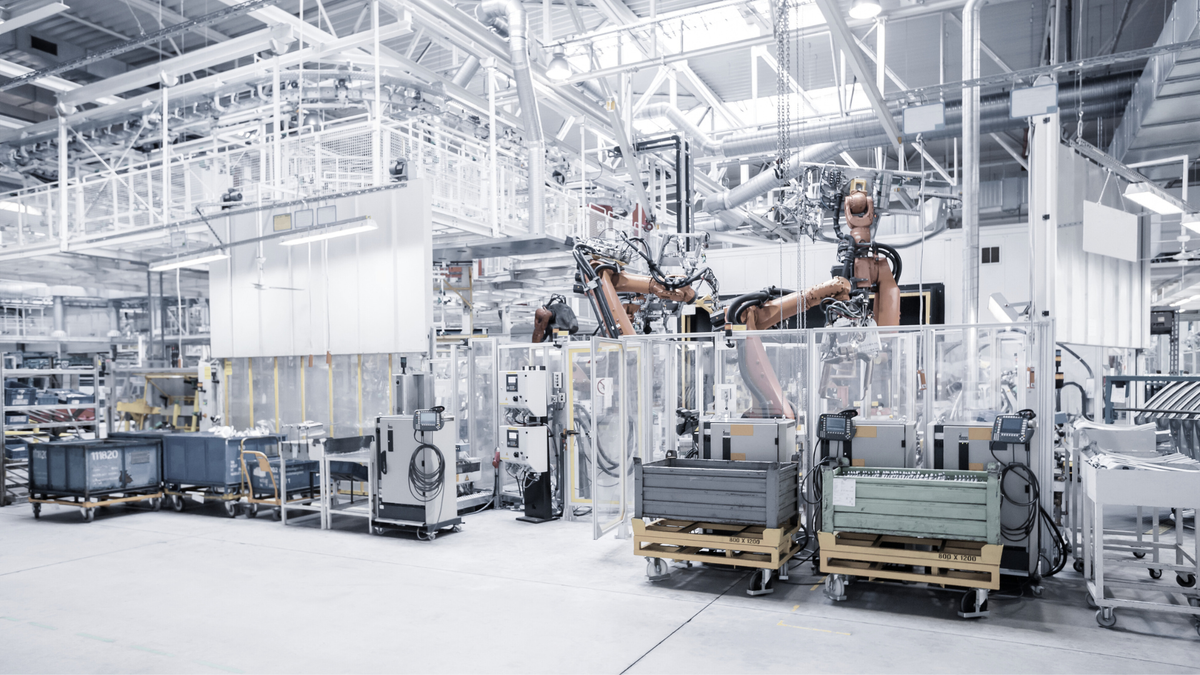
The manufacturing industry is in a relentless pursuit of efficiency, quality, and agility. At Simatron, we’ve witnessed firsthand how merging lean thinking with advanced simulation tools like FlexSim can transform production systems. This powerful integration enables organizations to streamline processes, identify hidden inefficiencies, and foster a culture of continuous improvement and innovation.
In this article, we explore how lean and simulation work together to revolutionize modern manufacturing.
What Is Lean Thinking?
Lean thinking is a management philosophy rooted in the Toyota Production System, designed to eliminate waste while maximizing value. Its central goal is simple yet profound: do more with less—less time, less material, less effort—while maintaining or improving quality.
At its core, lean thinking is about creating value from the customer’s perspective and building a culture where every team member contributes to ongoing improvement.
The five foundational principles of lean are:
- Value Identification – Understand what the customer truly values.
- Value Stream Mapping – Analyze every step in the process to reveal waste.
- Creating Flow – Ensure production moves smoothly without interruptions.
- Establishing Pull – Produce based on customer demand, not forecasts.
- Pursuit of Perfection – Continuously refine processes to reach excellence.
The Role of Simulation in Manufacturing
FlexSim, Simatron’s primary simulation software, enables engineers to build 3D digital models of their production systems—complete with machines, workers, conveyors, and material flows. This virtual environment allows manufacturers to experiment, optimize, and predict outcomes without disrupting real-world operations.
With FlexSim, teams can:
- Predict System Behavior: Test how process changes impact performance before implementation.
- Optimize Resources: Identify the most efficient use of labor, equipment, and materials.
- Analyze Bottlenecks: Detect and resolve workflow interruptions.
- Validate Process Changes: Ensure modifications deliver measurable improvements.
Simulation provides the data-driven foundation needed to make smarter, faster, and more confident decisions.
Where Lean and Simulation Converge
When lean thinking meets simulation modeling, the result is a synergy that drives transformation. Each complements the other: lean provides the mindset and framework for improvement, while simulation supplies the evidence and validation.
Here’s how this integration works in practice:
1. Visualizing Value Streams
Simulation brings value stream mapping to life. Instead of static diagrams, teams can see a live, dynamic model of the process—revealing bottlenecks, delays, and inefficiencies with clarity.
2. Testing Lean Concepts Virtually
Before rolling out lean initiatives like Just-In-Time or Kanban, teams can simulate their effects. This minimizes risk and ensures new systems are viable in real-world conditions.
3. Enabling Continuous Improvement
Simulation generates detailed data analytics that feed directly into lean’s principle of continuous improvement. Teams can quantify performance, set measurable goals, and track the impact of process changes over time.
4. Safe Experimentation and Training
A virtual factory doubles as a training environment, allowing employees to explore process scenarios without disrupting production. It’s an engaging way to teach lean principles and demonstrate cause-and-effect relationships.
5. Customization and Flexibility
Every manufacturing system is unique. FlexSim’s customizable models allow teams to tailor lean strategies to specific products, workflows, and customer requirements—reinforcing the lean focus on value and adaptability.
The Competitive Advantage
In today’s high-pressure market, combining lean principles with simulation technology gives manufacturers a decisive edge. This synergy leads to:
- Faster decision-making
- Reduced operational costs
- Lower implementation risk
- Greater agility and customer responsiveness
By testing ideas in a digital environment, manufacturers can refine processes before physical changes occur—saving both time and capital.
Conclusion
The integration of lean thinking and simulation represents a new frontier in manufacturing excellence. It’s not only about reducing waste or improving efficiency; it’s about cultivating a mindset of innovation and precision.
As technology advances, the collaboration between lean and simulation will continue to redefine what’s possible—empowering manufacturers to achieve operational excellence, sustainable growth, and long-term success.